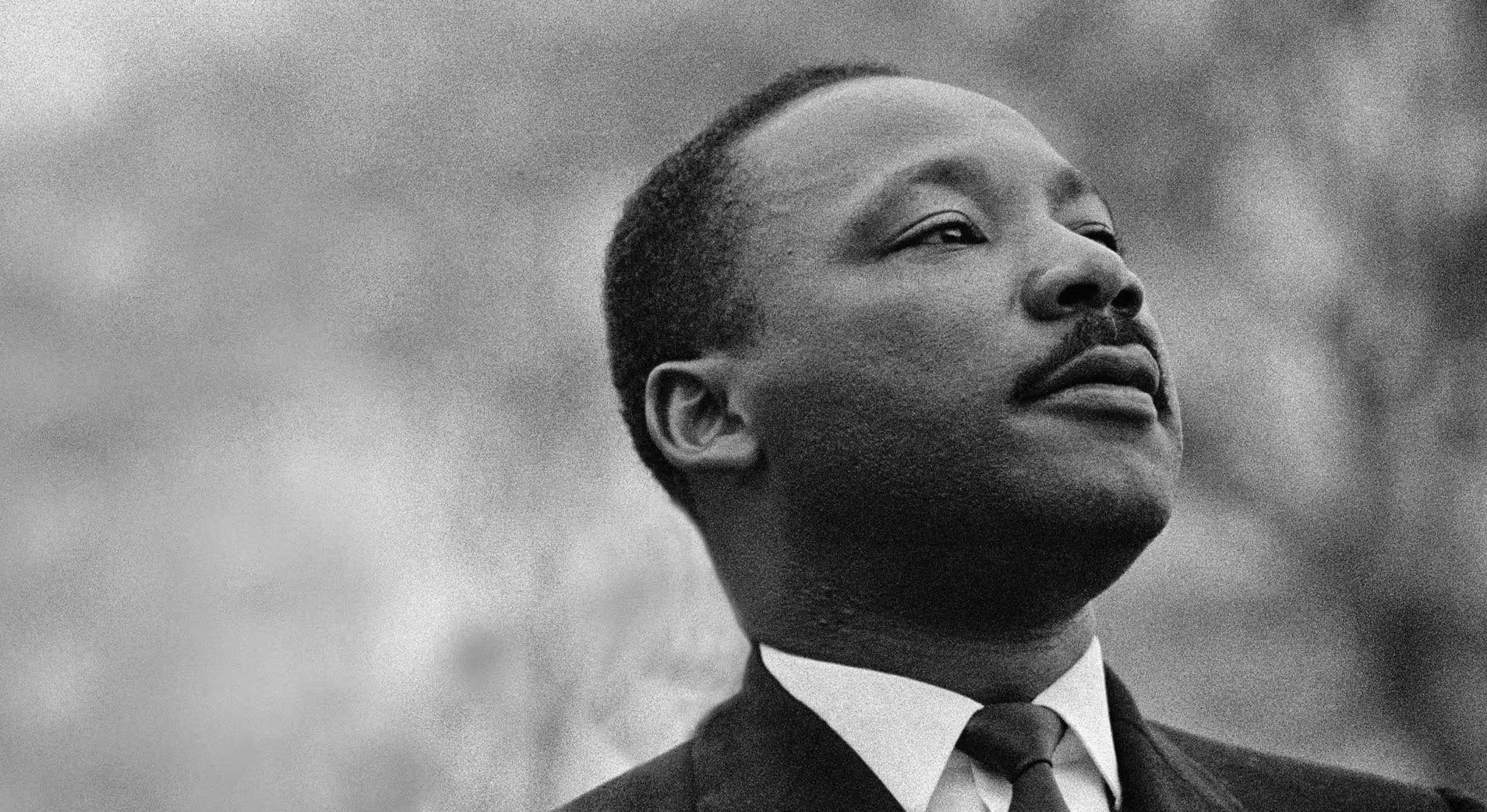
 We find ourselves in a season where the moral compass of our nation feels under heavy interference of arrogance and hate. When executive power challenges the rule of law and the stranger is cast as an enemy, we are called to engage in what The Rev. Dr. Martin Luther King, Jr. called “holy persistence.”
In 1967, Dr. King asked the definitive question, "Where do we go from here?"
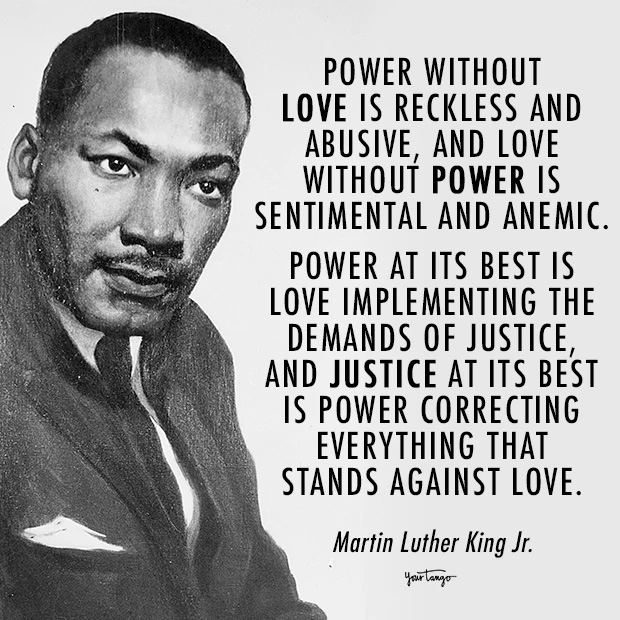
It is a common mistake to view Dr. King’s writing as a finished chapter. We must understand that his words are not a historical relic intended only for the 1960s—they are a prophetic blueprint designed to echo through every generation that finds itself in a season of injustice. His vision is a living manual for our advocacy today. He knew that the struggle for human dignity is a recurring necessity. Dr. King taught us, "Power without love is reckless and abusive, and love without power is sentimental and anemic. … Power at its best is love implementing the demands of justice, and justice at its best is love correcting everything that stands against love."
As the executive director of Ecumenical Ministries of Oregon, I am not just a leader of an organization but also a witness to the profound resilience of the human spirit and the way love creates its own kind of power rooted in dignity and justice. Every day, EMO walks alongside those our society too often pushes to the margins:
-
- our immigrant and refugee neighbors,
- unaccompanied homeless youth,
- survivors of domestic violence,
- individuals living with HIV/AIDS
Our mission must be "love implementing the demands of justice." Whether we are advocating for the rights of those living with HIV/AIDS, protecting the vulnerable youth on our streets or fighting for a world where immigrants are treated with dignity and can live free from violence, we are practicing the spiritual discipline of persistence.
Dr. King’s words are not a memory of where we were, but a constant reminder of who we must be. Let us be the love that works to correct and bend that arc towards justice and seeks compassion. Let us know that change can and will happen and that we must not be tempted by extremes or easy rhetoric. Let us be the hope that persists so we can open dialogue with our neighbors on the values of who we want to be as a nation.
And so I leave you with the familiar words from Micah: let us do justice, love mercy and walk humbly together today and into tomorrow.
By Frank So, Executive Director of Ecumenical Ministries of Oregon